The Tech Behind the Precision
Simplifying GNSS, RTK, and Positioning
Off-center, blurry, or inaccurate field lines can mean the difference between a win and a loss. We’ve talked about the importance of clear-cut lines before, so this time, we’re going to dive into the technology behind the robots.
The Tech Behind Line Marking Robots
Let’s start with the basics. Line-marking robots use a combination of Global Navigation Satellite System (GNSS) and Real-Time Kinematic (RTK) technology to paint lines and pinpoint their exact location on the field. This ensures precise, repeatable line placement. In the next few sections, we’ll explore exactly what those are, how they work, and how they’ll make your life easier.
GNSS: The Basics
To paraphrase NASA scientists, GNSS is a catch-all term for the myriad satellite constellations that provide autonomous, geospatial positioning data with global coverage. In the United States, the navigation system is called the Global Positioning System (GPS).
GPS works thanks to a group of 24 satellites orbiting Earth. Each one takes about 12 hours to complete a lap and flies at an altitude of roughly 20,200 kilometers above Earth. They’re spaced out so that, no matter where you are on the planet, you can almost always “see” at least six of them at once.
Russia’s satellite system, called GLONASS, also uses 24 satellites, flying at an altitude of about 19,140 kilometers above Earth. This system is configured to ensure that at least four satellites are visible from nearly anywhere in the world. The EU operates Galileo, and the Republic of China operates the BeiDou constellation.
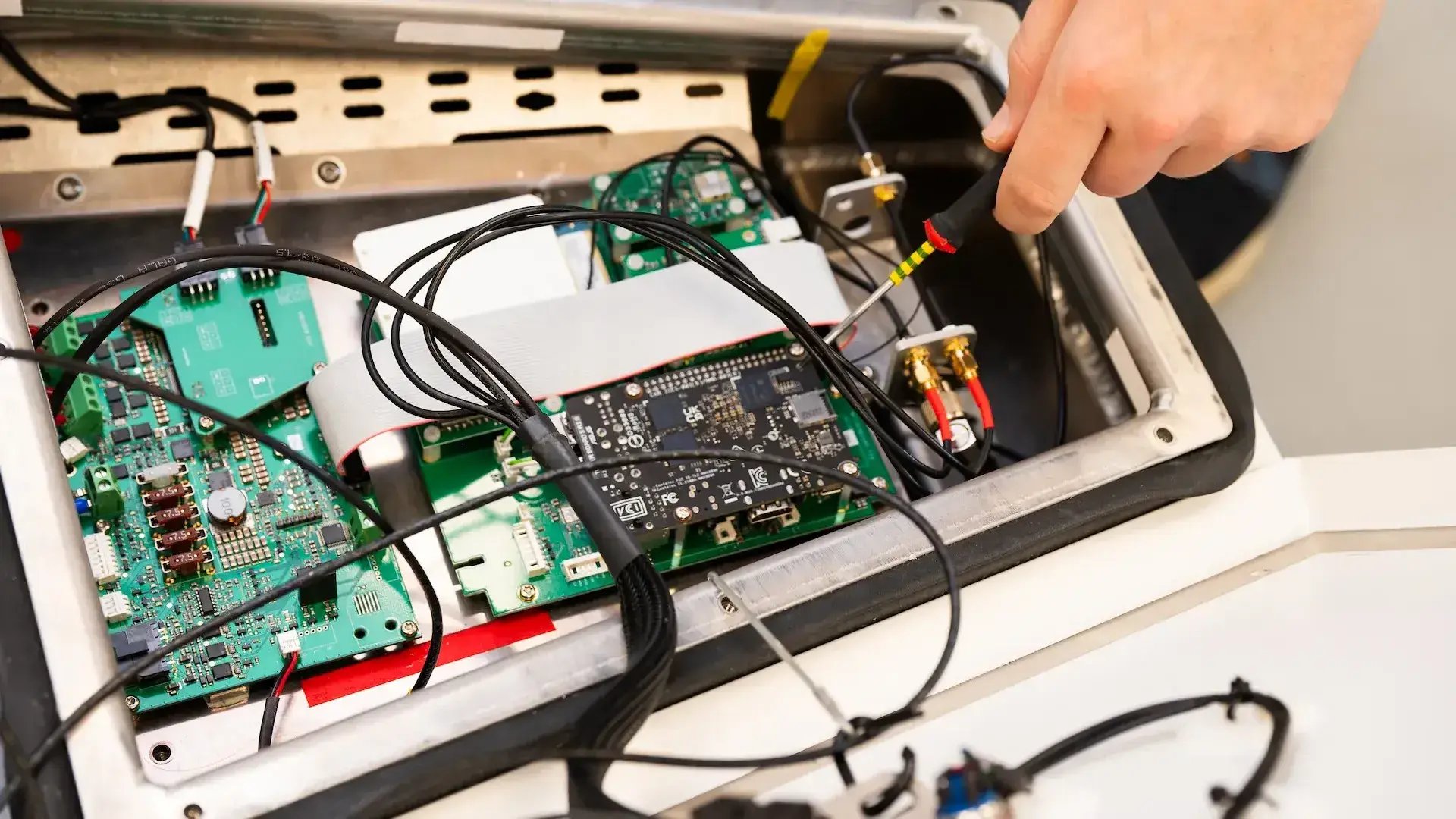
Your GNSS receiver is the middleman in all of this. It listens for signals from these satellites, decodes them, and performs calculations to determine its location, helping robots achieve centimeter-level accuracy and meet strict regulations. The satellites transmit signals on two radio frequencies, much like broadcasting on two channels simultaneously. The accuracy of the final location depends on the receiver's quality and whether the data undergoes additional cleanup afterward. Think of it as the difference between a rough estimate and a really good pin drop on a map.
Why Does It Matter?
This level of geographic precision matters in sports field maintenance. Clean, meticulous lines enhance player safety and performance, ensuring fair play. Precise lines lead to fewer disputes and are a foundation of competitive integrity.
So, yes, precise field lines are a big deal. Field teams can rely on highly accurate GNSS and RTK data to verify quality and eliminate guesswork before it becomes rework.
Precision data isn’t an option anymore; it’s integral to sports field maintenance. TinyMobileRobots has cutting-edge technology that provides RTK-level accuracy without a physical base station, which reduces setup headaches and delivers consistent results. You get real-time, real-world precision on your sports fields.
With reliable location data, your crew moves faster and stops wasting time correcting preventable mistakes. That’s true when you’re managing a sports field, a complex, or any outdoor asset that has to be right the first time.
Everything gets easier when accuracy is automatic, and it looks good too.