If You're Still Taking Soil Samples By Hand, You're Already 10 Years Behind
How New Tech Is Perfecting the Art (and Science) of Turf Management
The most valuable shift in modern turf management isn’t about working harder. It’s knowing where to focus that work.
Skilled turf management crews have traditionally assessed turf condition based on years of practical knowledge and understanding soil and weather conditions. And this type of experience is invaluable, even in modern grounds operations. However, robotics and tech can enhance that knowledge.
Turf management is now data-driven because modern grounds crews can use measurable data points to assess patterns and remove guesswork. This approach enables repeatable interventions.
For instance, the average groundskeeper can look at the turf and know that it’s dry. But a tech-assisted analysis will give them exact numbers. For example, soil-based sensors show that the current soil moisture content at a 2-inch depth is 12.5%. That means the grass will need 0.1 inches of irrigation. It’s not that technology will replace people–far from it. Technology simply provides experienced people with better information. In the above example, instead of watering the grass willy-nilly and hoping for the best, the crew will know exactly how much moisture the soil needs and can adjust accordingly. They’ll save water and time.
At the end of the day, robots don’t make decisions; people do. And smart groundskeepers will use the best tools at their disposal to keep their fields looking their best.
In this post, we’ll discuss how technology is changing sports turf management.
Data Changes the Work, Not the Responsibility
Turf variables have always been complex. Given soil variability, microclimates, traffic patterns, water, nutrients, and stress responses, maintaining sports fields is an art form. The complexity of the data hasn’t changed; what has changed is the preemptive ability to act on it before the issues affect the grass.
It’s called Precision Turfgrass Management (PTM), and it’s an offshoot of the Precision Agriculture (PA) principles that have been around since the 1990s. With modern PTM technology, stadium grounds crews can save time because they’ll have the right tools and methods to improve the pitch in real time.
A Penn State study reported that up to 20% of injuries could have been prevented, or at least made less severe, under more favorable field conditions. For example, overused fields can become extremely compact, increasing the risk of serious injury to athletes.
Spatial mapping of soil moisture, surface hardness, and plant performance on sports fields reveals more variability than traditional sampling methods. With the right data, grounds crews can monitor long-term patterns and improve performance and field safety, even with microclimate conditions.
How Turf is Becoming Measurable in Real Time
Sports field managers can measure specific data points that weren’t available a decade ago. Research teams at land-grant universities such as the University of Georgia and Cornell are developing tools for spatial soil moisture mapping, surface hardness testing, and remote sensing.
This is especially important in high-traffic zones like goal mouths, hash marks, and sidelines. Industry research published through Sports Field Management Online reinforces this. Data from sensors and mapped field conditions allow managers to move beyond “blanket” treatments toward targeted decisions. The challenge is to collect more data consistently and at scale across an entire field or sports complex.
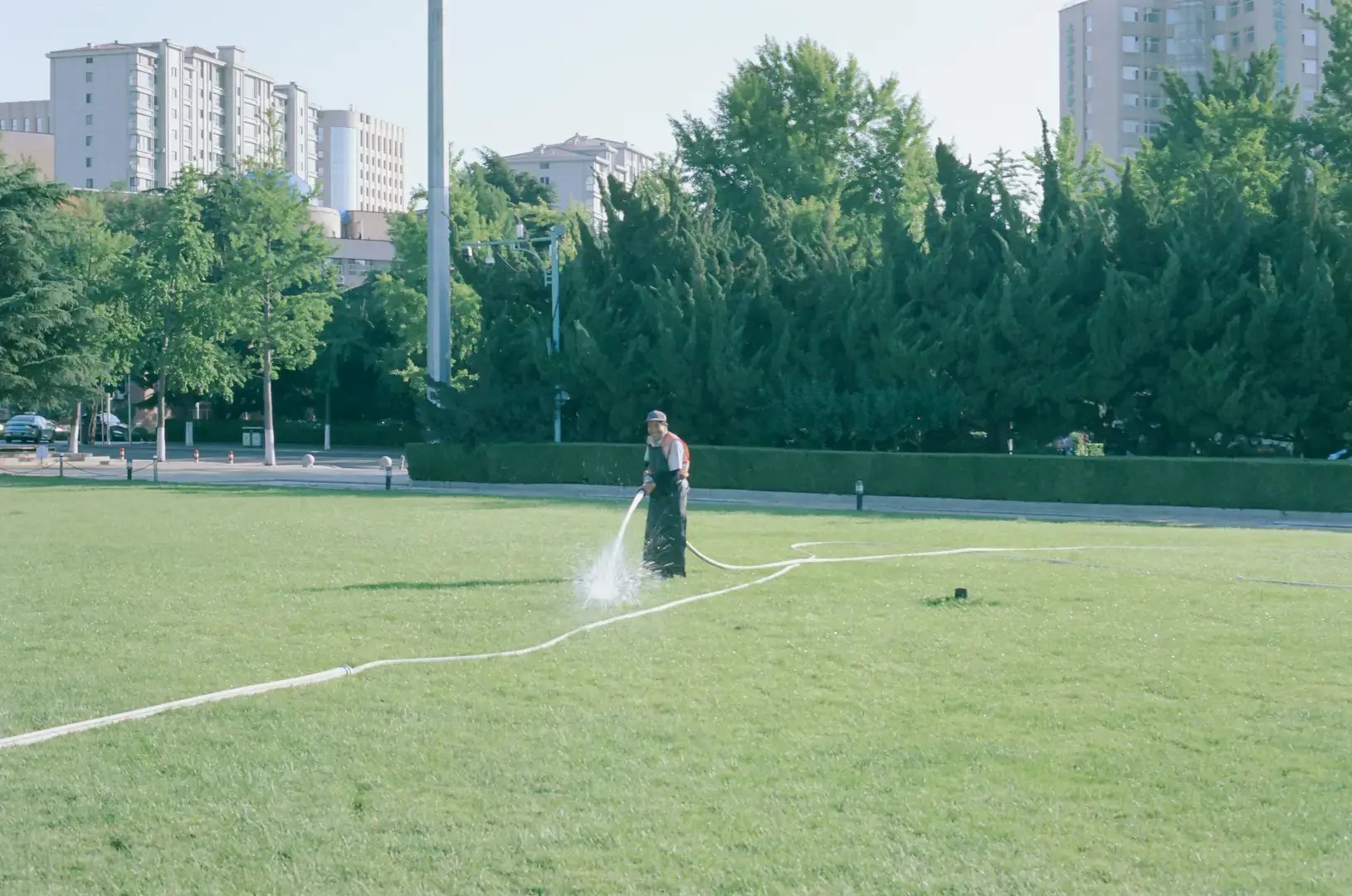
This used to involve wandering around in the mud and taking soil samples with cantankerous handheld devices. Technology now exists to create detailed soil maps of fields by measuring dozens of soil properties at meter-level resolution. These maps help grounds crews spot problem zones before they show stress or compaction. It also supports smarter irrigation, which is crucial in areas like the Southwestern U.S., where irrigation laws are extremely strict.
Drones equipped with RGB and near-infrared cameras enable grounds crews to capture full-field imagery. Then a program calculates indices like the Normalized Difference Vegetation Index (NDVI), which correlates with turf density and stress. This process would otherwise take hours by hand. Field management platforms combine independent safety testing, monitoring data, and predictive analytics to help turf managers decide the best course of action.
Data Collection Leads Decisions
Data doesn’t solve problems, but what you do with that data does. Even on well-maintained sports fields, localized conditions can vary significantly. Teams at the University of Georgia use precision agriculture principles for turfgrass. This will help grounds crews map variations and make site-specific decisions.
It takes more than mowing, hope, and a prayer to maintain sports fields. It takes precision. With data like spatial mapping, environmental sensors, and visual/spectral imaging, turf managers can track soil moisture at the square-foot level. They can detect microclimates that make one patch of grass problematic. They can even catch nutrient deficiencies before the grass turns yellow. Predictive models can use historical data to forecast stress, disease, or overuse.
This lets grounds crews intervene before problems start.
Water usage drops because your team only waters when and where it’s needed. The same thing goes for applying fertilizers and pesticides. Because you have hard data, you don't need to guess what your field needs. You’ll reduce chemical use and save money.
The Human Role Is Changing, and the Field Is Talking Back
On a modern sports field, the turf isn’t set-and-forget. It’s a living system that continuously produces signals. Soil moisture shifts, compaction builds in high-traffic zones, and surface hardness changes after rain, heat, or repeated play. When grounds crews map these variables, they uncover repeatable patterns that explain why certain areas repeatedly fail, while others remain resilient.
All that is great, and will change how we tackle these issues. But we still need human judgment because someone must interpret and apply this data in real life. Turf managers must review moisture maps, surface measurements, and historical field data, then decide if they need to intervene or if they should stay hands-off. University research and applied protocols for mapping sports field properties show that structured, whole-field data collection helps managers make better decisions, especially regarding playability and athlete safety.
Using this information, the pitch becomes a living dataset. Groundskeepers can see trends emerge, which makes recovery timelines more predictable.
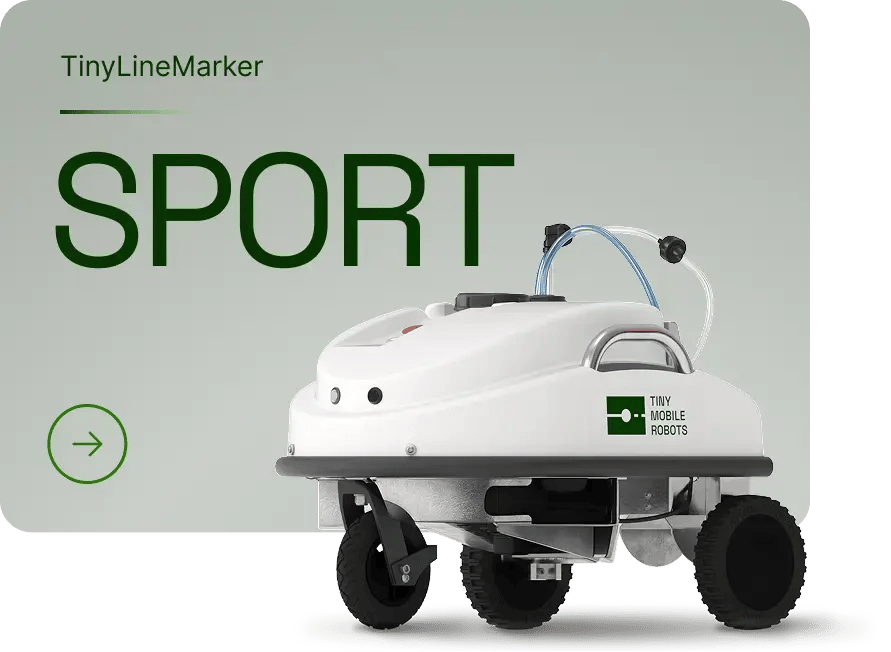
That philosophy is part of how TinyMobileRobots has evolved over the past decade. What started as a way to paint precise lines on sports fields is now a way to read the field. For example, our elevation mapping service provides high-resolution data that reveals drainage patterns, wear zones, hidden dips, and more.
Technology may change how we maintain turf. But it won’t replace experienced humans making smart decisions under real-world conditions.