The Automated Workflow Playbook for Sports Field Line Painting
A Ground Manager's Guide
Your crew spends half a day painting a soccer field, only to realize the layout is off by a few inches. Now they have to spend even more time repainting.
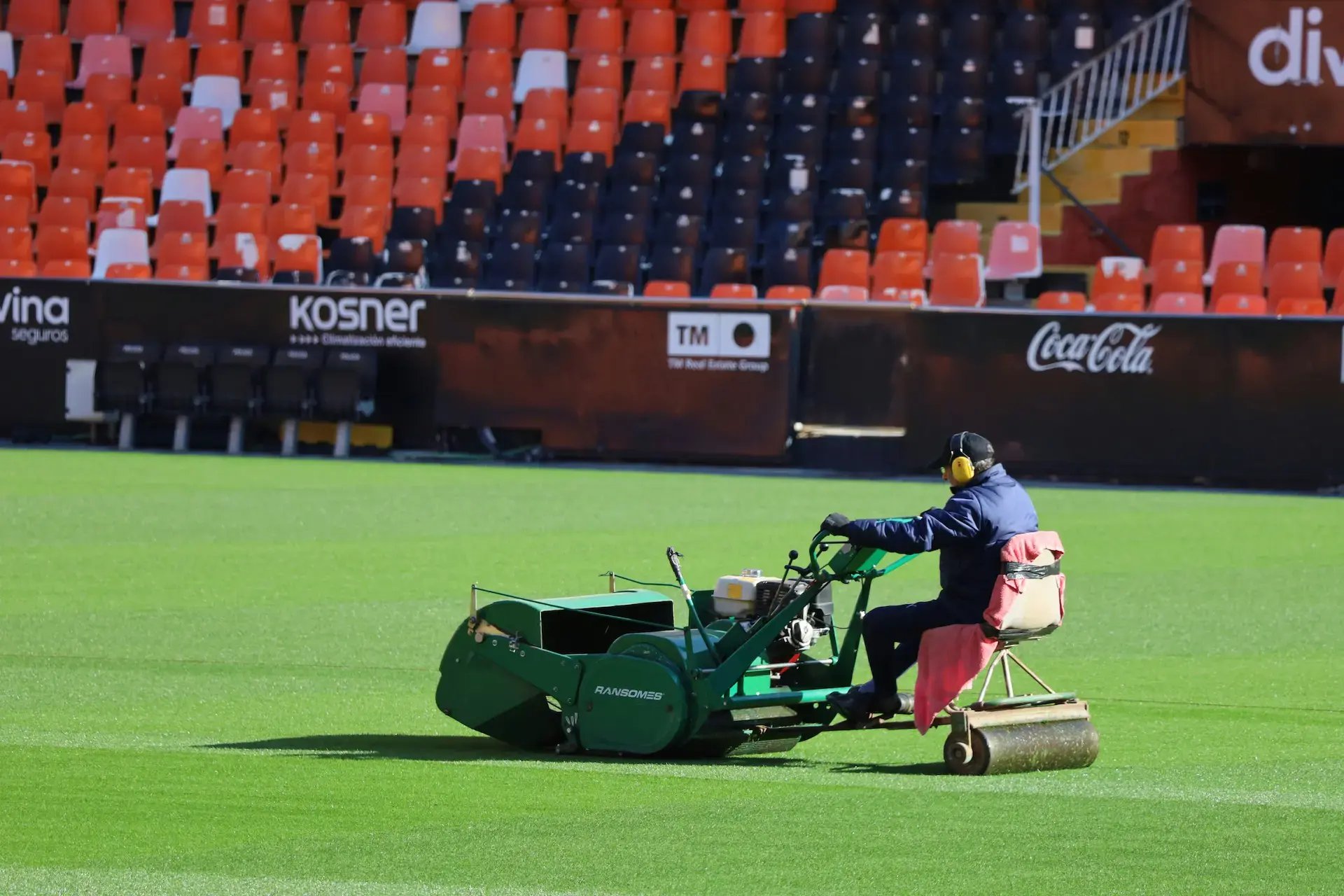
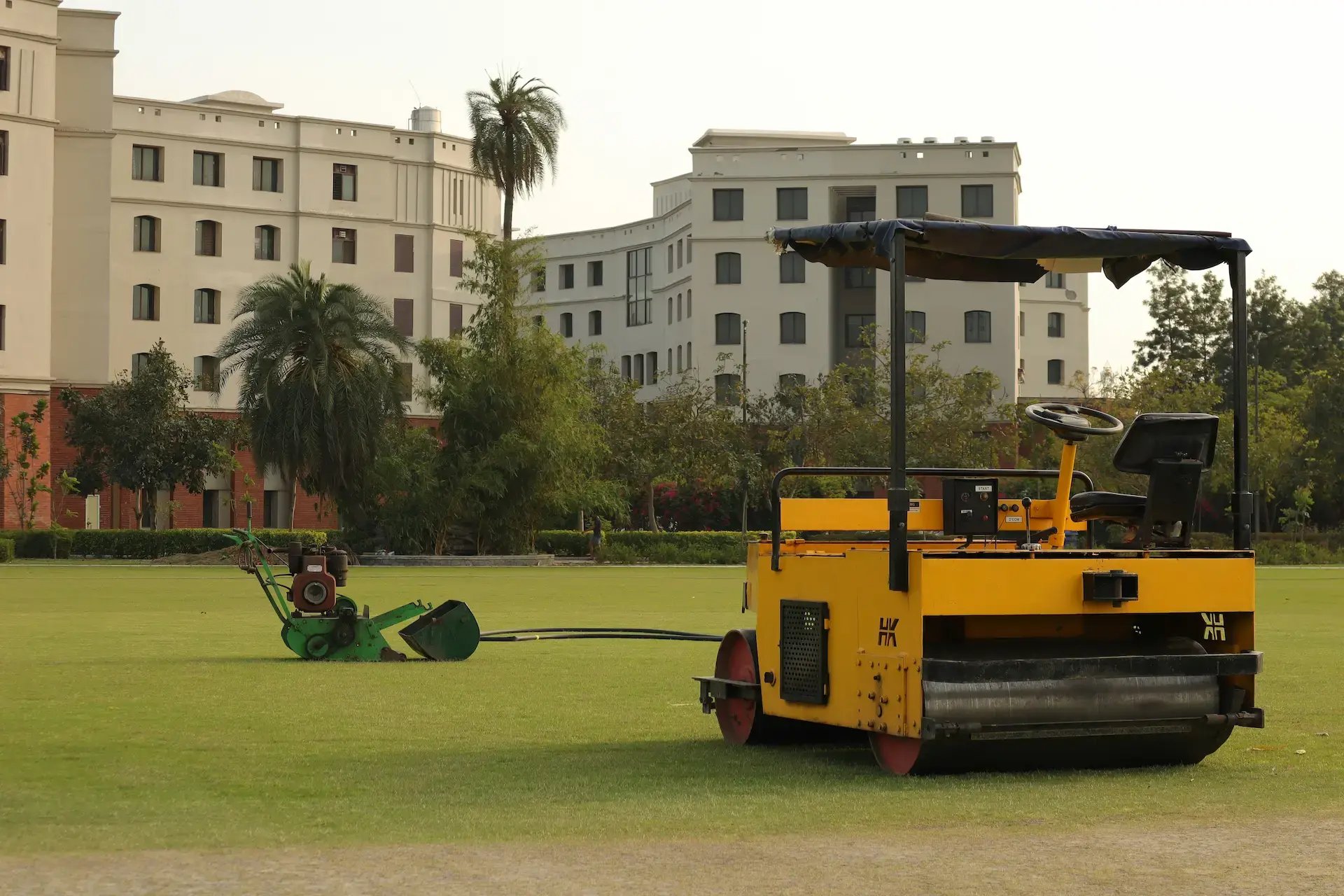
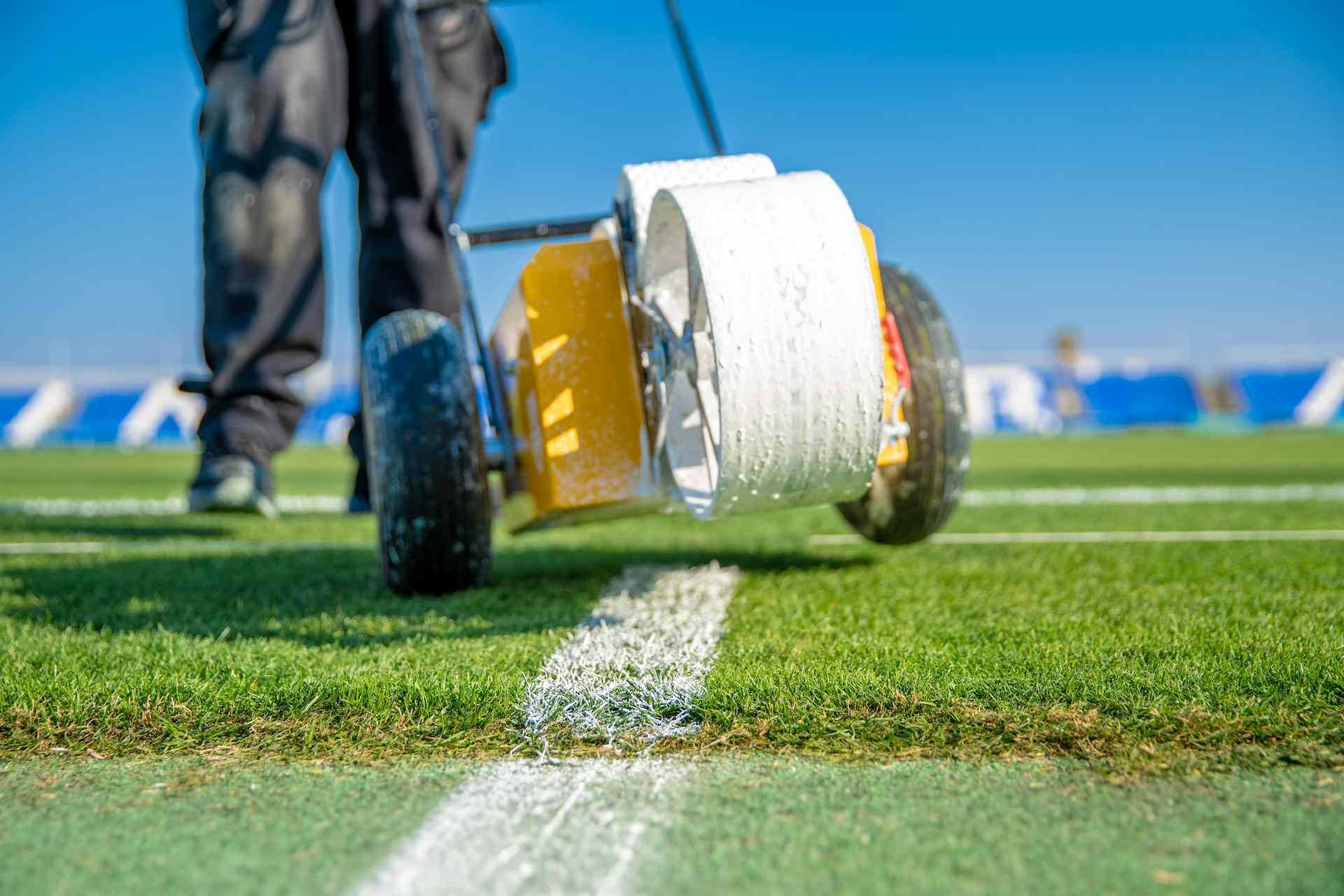
For most grounds crews, sports field marking is still one of the most labor-intensive tasks they must complete. That’s because in 100 years, field marking hasn’t changed. The process is simple, but it can take the better part of a week to paint a football field. Most grounds crews don’t have that time.
According to the Sports Turf Managers Association, skilled labor shortages are rampant across the industry. That means that athletic directors and crew supervisors must do more with less, because expectations haven’t changed. Your field needs to be ready for play on schedule, even if your crew has to work overtime to get it done.
Automated line painting and smart workflows bridge the disconnect between labor shortages and your mile-long task list.
The Real Shift Isn’t the Robot. It’s the Workflow.
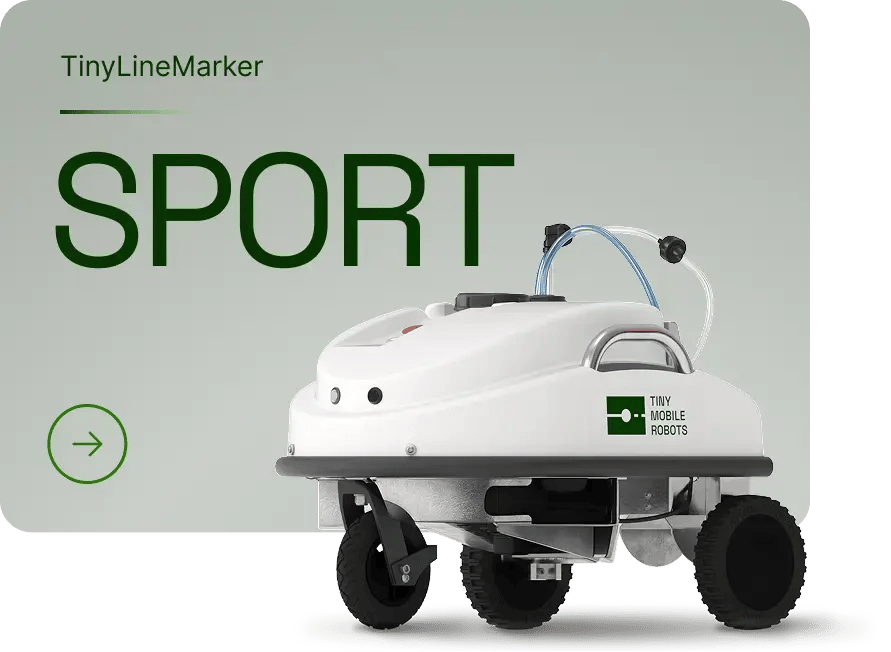
If you think that buying a robot will help you, you’re correct. But that’s only part of the equation. (Don’t get us wrong–the robot is awesome.) But the biggest transformation with a line-painting robot is about the shift from manual execution to repeatable systems.
With manual workflows:
Knowledge may be limited to one or two skilled crew members
Field layouts must be recreated each time
Documentation is inconsistent (or nonexistent)
Adjustments are reactive
With automated workflows:
Field layouts are saved and repeatable, so anyone can do them
Standardized processes
Paint fields on your schedule, regardless of weather or staffing shortages
Documentation built into the process
That simple automated workflow reduces burnout and stress on your crew from day one.
What the Data Says About Automation in Grounds Management
Sports turf management is finally embracing the benefits of automation, particularly when combined with the knowledge and instincts of a skilled grounds crew. Numbers don’t lie, and current facilities and landscaping data tell a clear story.
Measurements and positioning are consistent every time
Variations (youth, collegiate, multi-sport) are no problem
No more knowledge silos. Even your newest crew member can paint a field correctly the first time.
Standardization becomes the standard. Your team will quickly realize that this method is not only faster but also more reliable. And nobody is stuck working overtime to get the fields painted seconds before that first whistle blows.
2. Start with Your Highest-Frequency Fields
Don’t try to automate everything at once, particularly if your team is reluctant. Show them what they’d gain using automation for their most labor-intensive task, and you’ll have advocates for life.
So, choose the fields with strict compliance requirements and those that need repainting the most. These will demonstrate the fastest return and the clearest baseline. And since you’ll gain more time to complete other tasks, you can start painting your practice fields, your parking lots, and even make custom logos.
3. Separate Setup from Execution
With manual workflows, every job requires either multiple people or multiple days to complete. And most organizations just don’t have that option.
With automated workflows, one person can plan jobs and another person can execute or supervise in the field. This means that you can scale across multiple sites or campuses, or even bring in tournaments to play.
4. Build a Repeatable Schedule
Move from reactive painting to proactive, planned cycles:
Weekly or bi-weekly field schedules
Pre-event touch-ups automatically scheduled
Seasonal transitions mapped in advance
Consistency reduces last-minute scrambling, and if inclement weather prevents painting on a particular day, you’ll still have time to get your fields painted before game day.
5. Capture What Actually Happened
This is where most teams still fall short.
Without documentation, you can’t prove what jobs have been done, diagnose issues, or optimize over time. With the right system, activity logs become operational insights. That’s why we created our newest platform, Tiny Manager.
With TinyManager, you can track:
Where lines were painted
When jobs were completed
Where and why a robot paused or stopped
Real-time job status and history
Every job is a data point with a continuous improvement loop built right in.
The Hidden Benefit: Less Pressure on Your Crew
Automation helps you do things more efficiently. It helps you move your most skilled crew members to higher-value tasks and reduces reliance on them to carry everything. And it also lets your newer crew members learn valuable skills that will serve them well in the future.
You get faster onboarding for new staff, fewer errors, and predictability. And as anyone in sports field management knows, that’s more valuable than rain in Phoenix.
Where Most Teams Get Stuck
You’ll likely get some pushback at first. For many grounds crews, the technology isn’t the problem. It’s understanding that the technology won’t replace them.
Our robots are designed to be user-friendly, so learning the technology should be easy for even tech-averse members of your crew. But humans are creatures of habit, and letting go of manual processes might be difficult at first. They might want to supervise the robot or assign two crew members as a contingency plan.
That instinct is normal, and there might be some early-stage adjustment as your team moves away from manual workflows. But once the team sees consistent results and realizes that they now have time to focus on higher-value tasks, they’ll be on board. The robot stops being a threat and becomes a valued team member.
Final Thought
The move from manual to automated workflows isn’t about replacing people. It’s about giving your team a long-term, sustainable way of working. And you’ll get the same results even if you’re short-staffed, under time pressure, or managing more fields.
The goal is more than straighter lines. It’s a process your crew can rely on.